
About Corn Crib (Mountain Farm Museum)
Corn was the mountain farm's staple: bread, mush, feed for the hog and the horse. A good corn crib could decide how a family got through the winter.
How a crib works
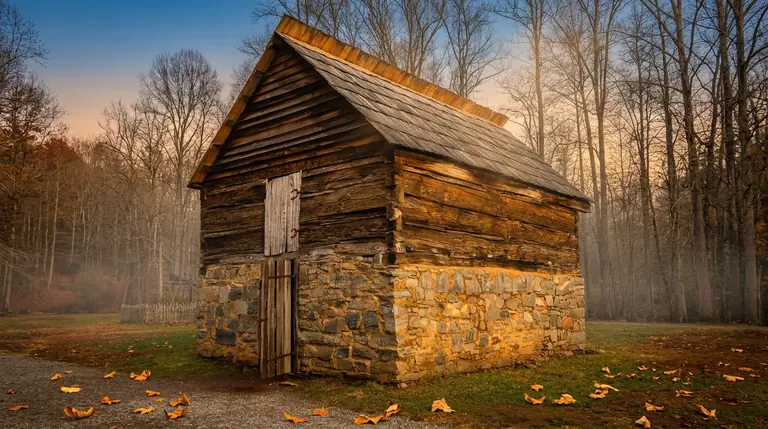
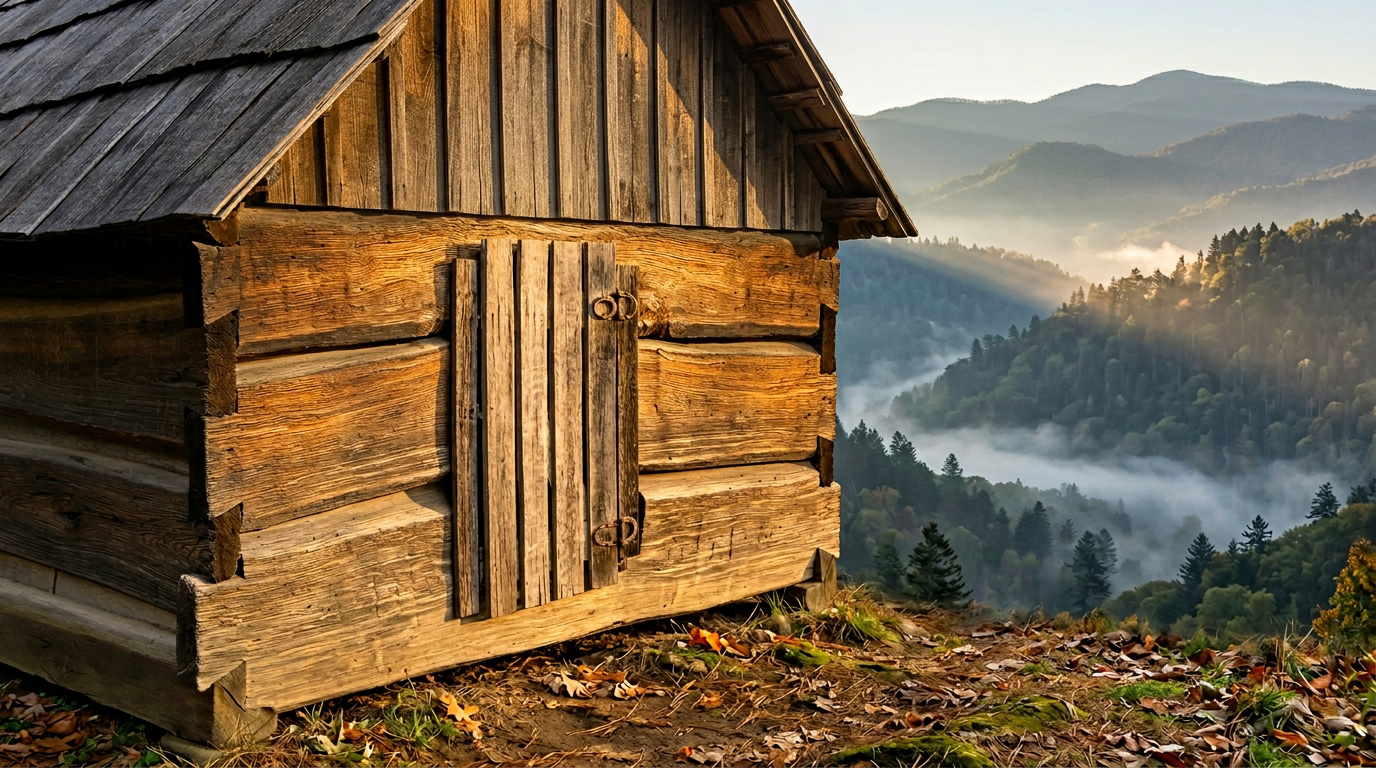
The crib is a narrow, raised building with slatted walls. Air passes through the slats and dries the ears, which would otherwise mold. Raising the floor off the ground on stones or posts keeps rodents and damp out, and a roof overhang keeps off the rain. The ears are stored whole in the shuck or husked, and they stay until needed. Families shelled corn by hand or carried it to a mill such as Mingus Mill or Cable Mill to be ground.
At the museum
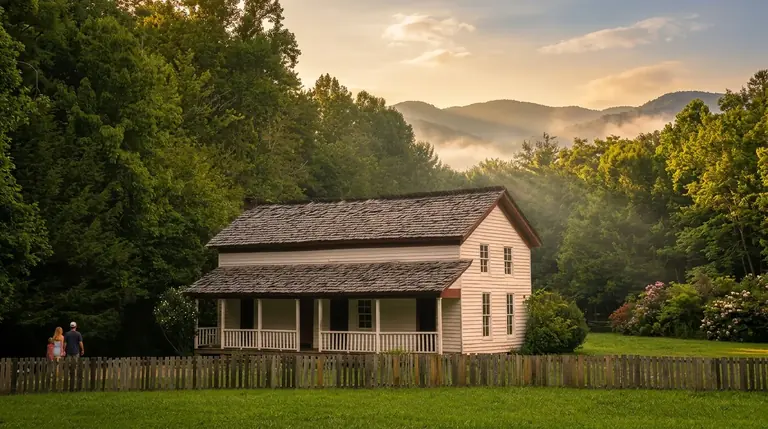
The crib is one of the outbuildings at the Mountain Farm Museum beside the Oconaluftee Visitor Center. A crib like this sits near the barn and the Davis House, and the museum plants a corn patch in season to show the crop in context. Read the numbered posts to see where each building came from.
Visiting
- Where: the Mountain Farm Museum at the Oconaluftee Visitor Center, 1194 Newfound Gap Road, Cherokee.
- Access: viewed from outside; the grounds are free and open in daylight.
- Time to allow: 45 minutes for the whole farmstead.
- Parking: the visitor center lot; a parking tag is required for stops over 15 minutes.
- Nearby: elk graze in the adjacent meadow at dawn and dusk, and Mingus Mill is closed until further notice.
Notes
The exact construction date of this crib is not in the park's public material, so the age is "late 1800s" at best. See the NPS Oconaluftee page for current information. Compare it with the cribs at the Tipton Place and Elijah Oliver Place in Cades Cove, which are built to the same pattern.
Good to know
- Do I need a parking tag?
- A Park It Forward parking tag ($5 a day, $15 a week or $40 a year) is required for any vehicle parked more than 15 minutes inside Great Smoky Mountains National Park. Entry is free, and federal passes such as America the Beautiful do not replace the tag.