
About Meat House (Mountain Farm Museum)
You could not walk to a grocery store from a mountain farm. A family raised a hog, killed it when the first hard cold came, and made it last until spring. The meat house was where that happened.
How it worked
Hog-killing came in late fall, when cold slowed spoilage. The meat was cut into hams, shoulders and sides, rubbed with salt and sometimes sugar and pepper, and hung or laid on shelves. Salt drew out the moisture, and the cool, dim interior kept flies away. Smoke from a fire, in a smokehouse, added flavor and preservation. Many farms used the same building for salting and smoking; others had a separate meat house, as the museum shows. A cured ham could hang for a year.
At the museum
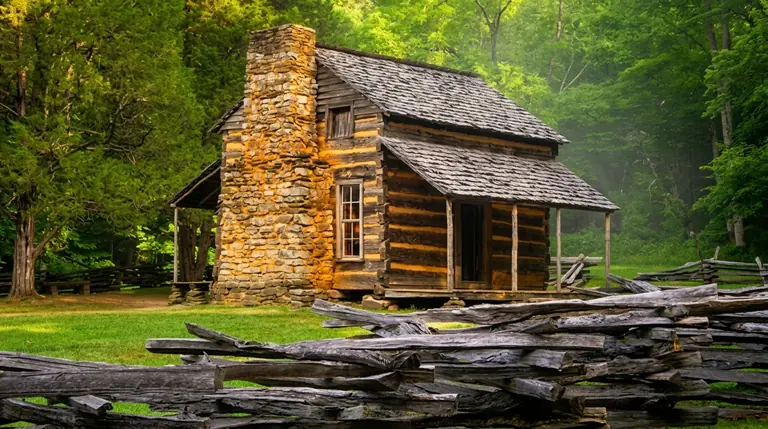
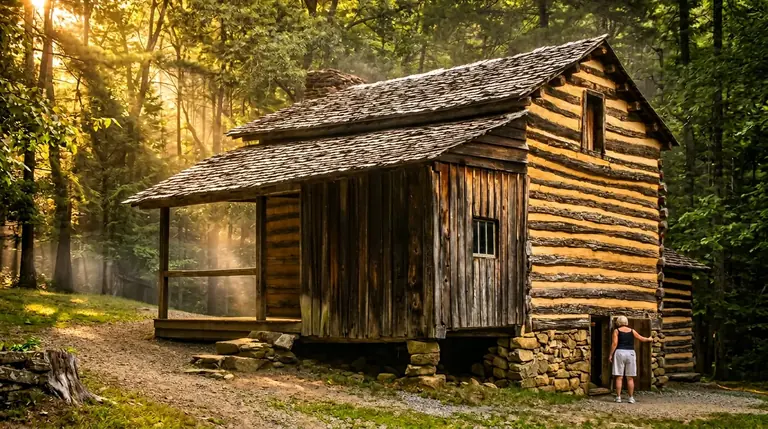
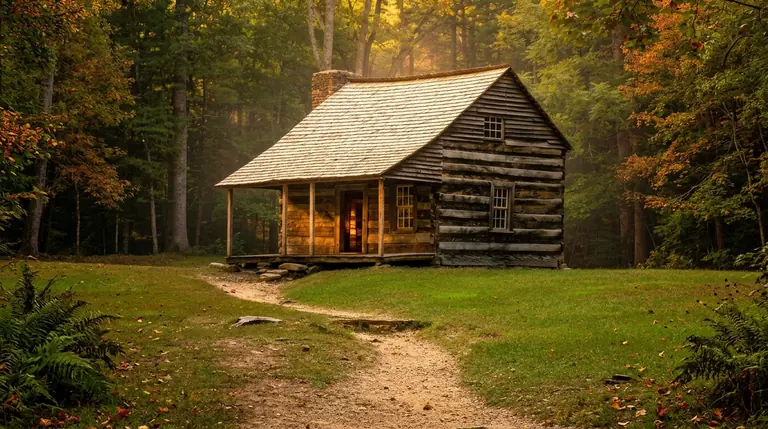
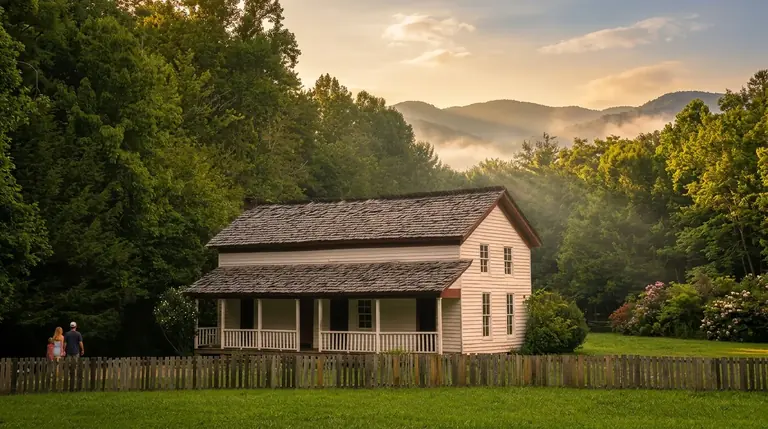
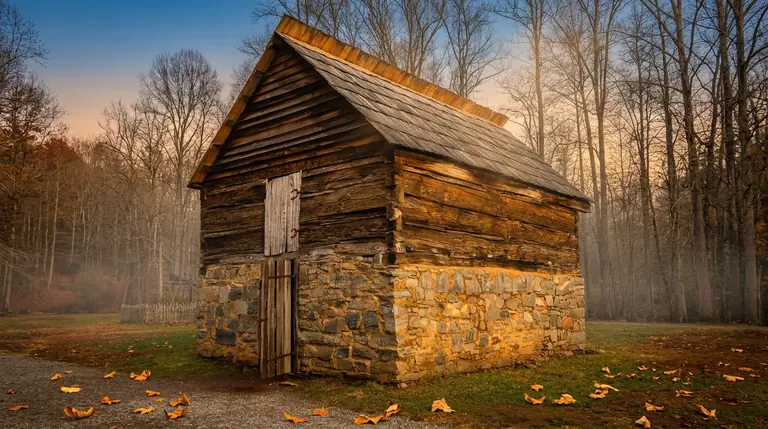
The Meat House is one of the outbuildings at the Mountain Farm Museum next to the Oconaluftee Visitor Center. Look at the close-fitting walls, the small number of openings and the roof overhang, which keep the interior dark and dry. The museum's numbered posts and booklet name each building and where it came from.
Visiting
- Where: the Mountain Farm Museum, 1194 Newfound Gap Road, Cherokee, on the North Carolina side of the park.
- Access: viewed from outside; the grounds are free and open in daylight.
- Time to allow: 45 minutes for the whole farm.
- Parking: the visitor center lot; a parking tag is required for stops over 15 minutes.
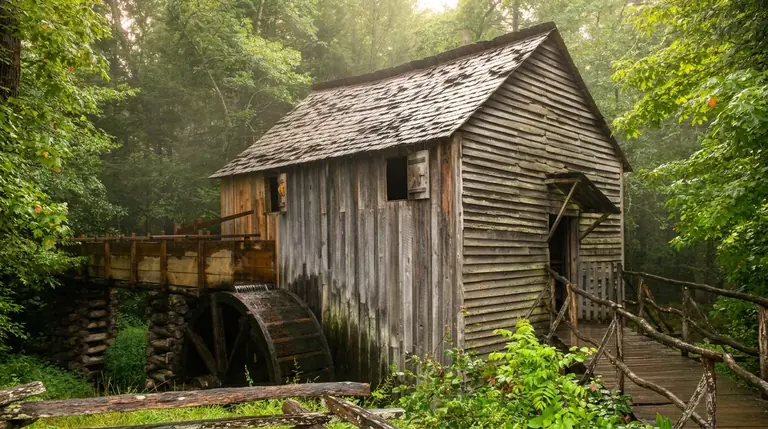
- Nearby: elk graze in the meadow at dawn and dusk. Mingus Mill is closed until further notice.
Context
The meat house pairs naturally with the smokehouse, the springhouse and the corn crib; each handled one part of the farm's food supply. Walk them in that order and the year of farm work comes into focus. See the NPS Oconaluftee page for current information.
Good to know
- Do I need a parking tag?
- A Park It Forward parking tag ($5 a day, $15 a week or $40 a year) is required for any vehicle parked more than 15 minutes inside Great Smoky Mountains National Park. Entry is free, and federal passes such as America the Beautiful do not replace the tag.