
History
Historic Sites in Cades Cove
12 curated picks · updated
Cades Cove has a dozen historic structures along an 11-mile one-way loop, including the Elijah Oliver Place, the Tipton Place, three churches and Cable Mill. The loop is open sunrise to sunset with no reservation, and it is car-free all day on Wednesdays from early May to late September. Budget two to four hours.
Cades Cove holds the most intact collection of 19th-century farm and church structures in the southern Appalachians; most buildings here stand where they were built. The Methodist Church dates to 1902, and the Cable Mill grist mill still turns. Between those two endpoints, seven decades of settlement history survive in wood and stone, arranged along an 11-mile one-way loop road inside Great Smoky Mountains National Park.
The rankings on this list reflect two things: how much of the original structure survives, and what a stop actually delivers to someone standing there. The Tipton Place scores high because it isn't just a cabin: it's a cantilevered barn, a blacksmith shop, a corn crib, and a smokehouse, all on the same farmstead from 1870. A single-room cabin from 1822 tells a different kind of story. Both belong on the list; the ranking helps you prioritize if time is tight.
Practical things to know before driving the loop:
- No reservation is needed for the loop. Cades Cove Loop Road is open sunrise to sunset daily, with no timed entry. The parking tag ($5 a day, $15 a week or $40 a year) applies if you stop longer than 15 minutes, and federal passes are not accepted.
- The loop road is one-way and 11 miles long. Budget two hours at minimum; summer weekends often run three to four. There's no shortcut once you're in.
- Wednesdays are vehicle-free. From early May to late September (May 6 to September 30 in 2026) the loop is closed to cars all day on Wednesdays for cyclists and walkers, so drive it on any other day.
- Early mornings on weekdays give you the best combination of light and parking availability at the busier stops like Elijah Oliver Place and Cable Mill.
Wildlife pullouts (black bear and white-tailed deer are common) can stall traffic for 20 minutes with no warning. It's part of the experience, but factor it in.
More to plan with: the history hub, the Cades Cove guide, the Cataloochee guide, the elk-watching guide and the events calendar.
- 1
John Oliver Cabin
Cades Cove · built 1822
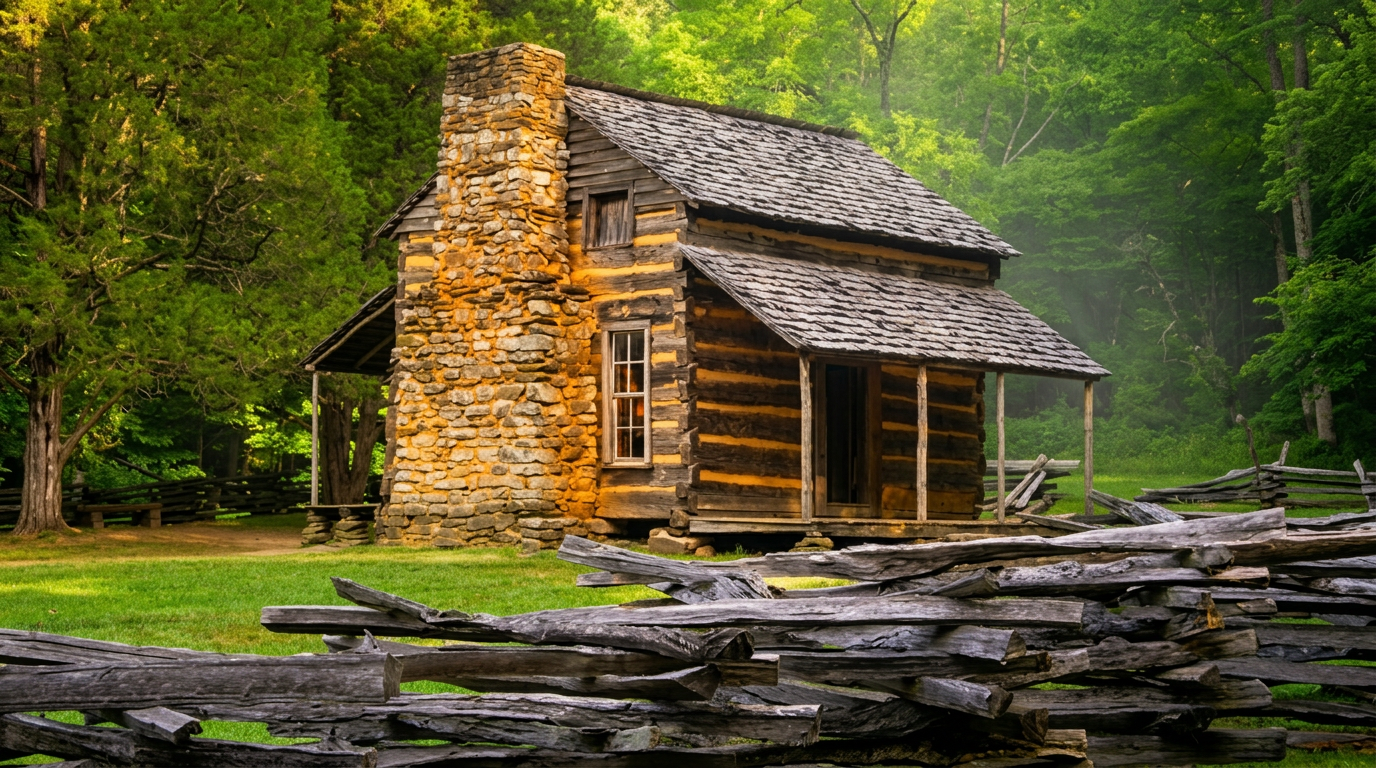
The John Oliver Cabin, the first stop on the Cades Cove Loop, is a log home from the early 1820s built by the cove's first permanent settlers, and you can walk inside.
-
 2
Dan Lawson Place
Cades Cove · built 1856
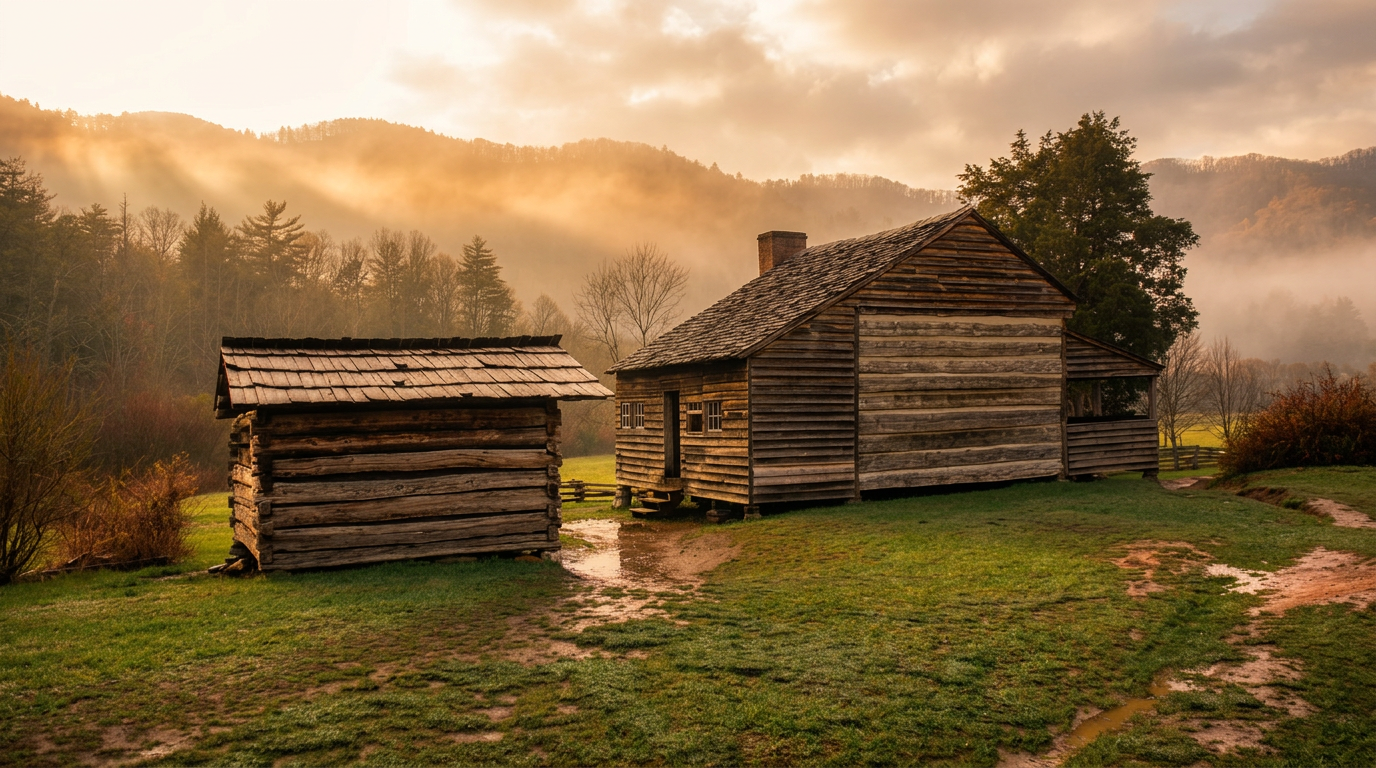
The Dan Lawson Place in Cades Cove is the farmstead of a blacksmith and cooper, with a house, smokehouse, corn crib and barn on the south side of the loop and a family cemetery nearby.
-
 3
Elijah Oliver Place
Cades Cove · built 1866
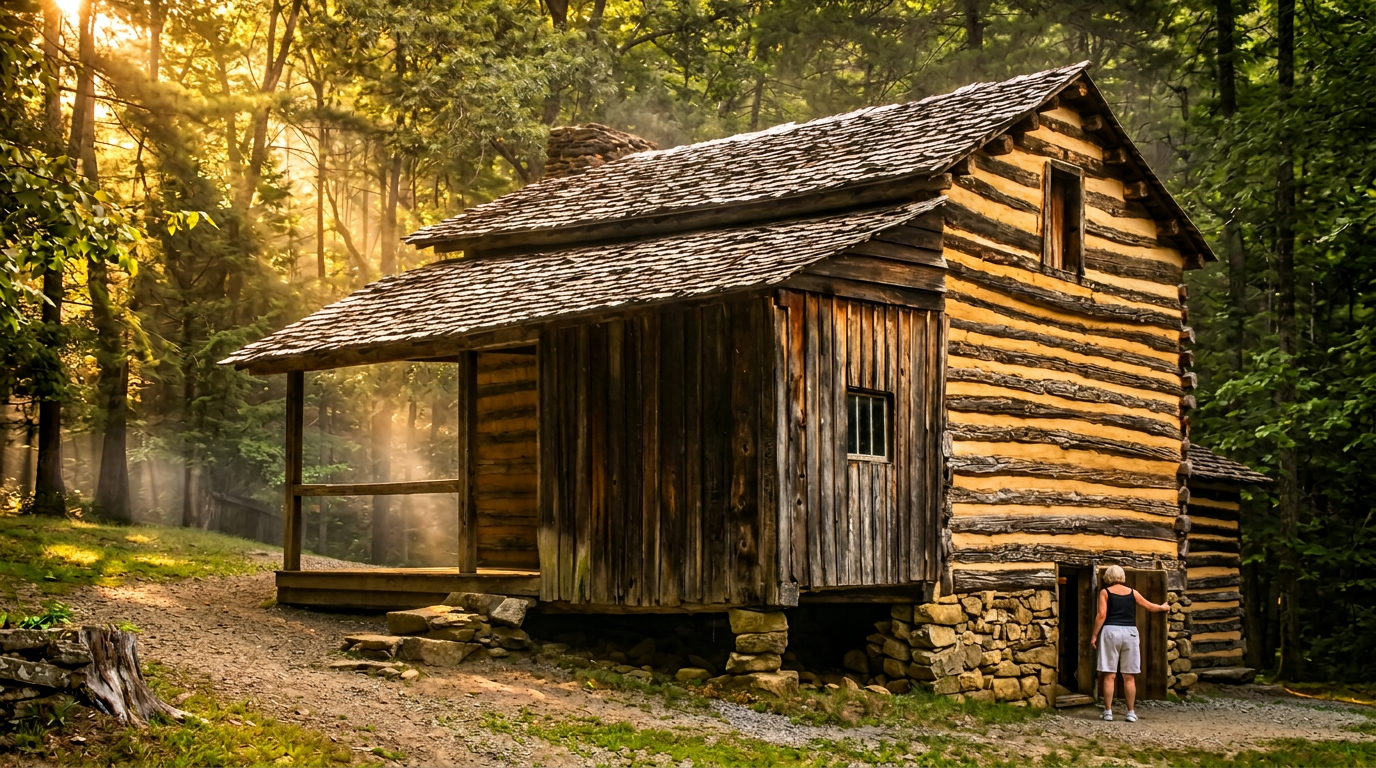
The Elijah Oliver Place is the most complete homestead you reach on foot in Cades Cove, a short walk from the loop to a house, springhouse, smokehouse and barn built by a son of the cove's first settlers.
-
 4
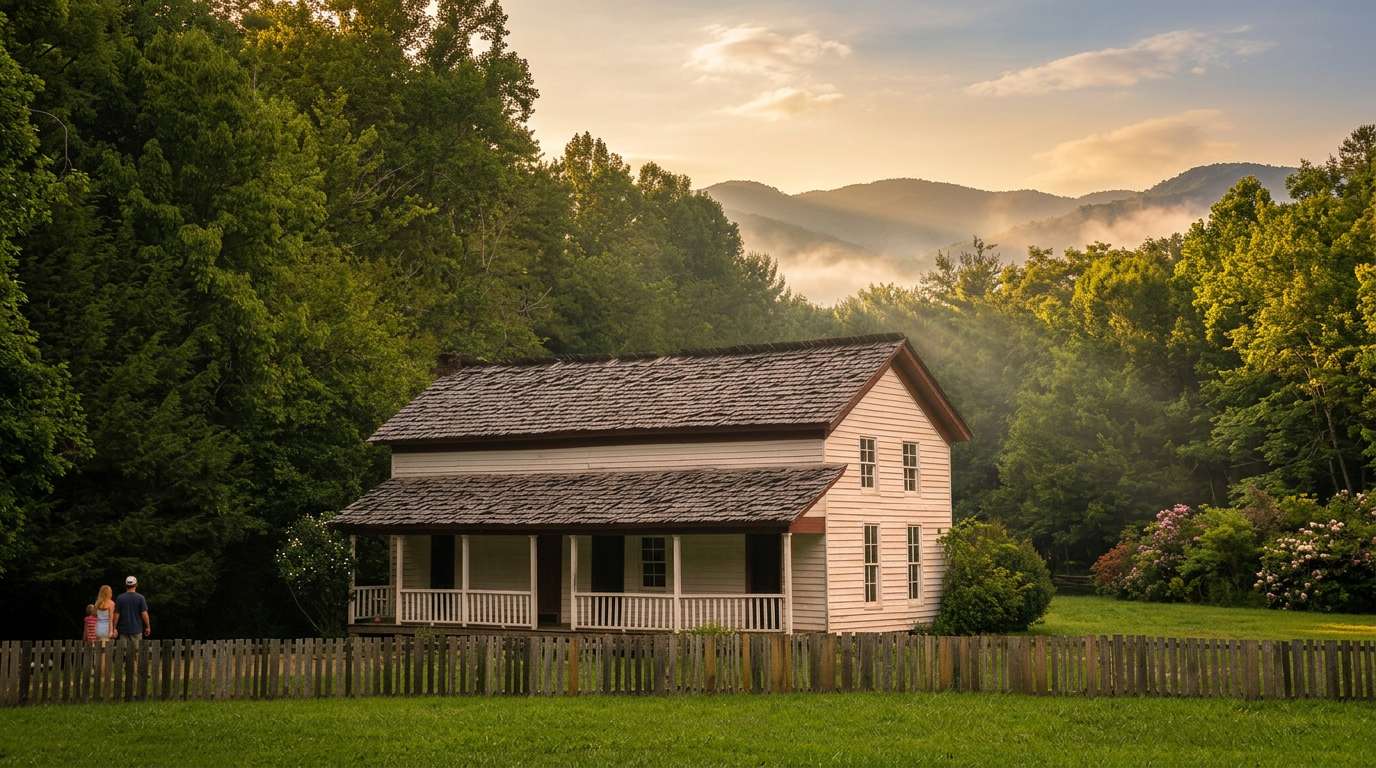
Becky Cable House
Cades Cove · built 1879
The Becky Cable House is a frame farmhouse beside Cable Mill in Cades Cove, where Rebecca Cable lived for decades and ran a small store, a short walk from the visitor center.
-
 5
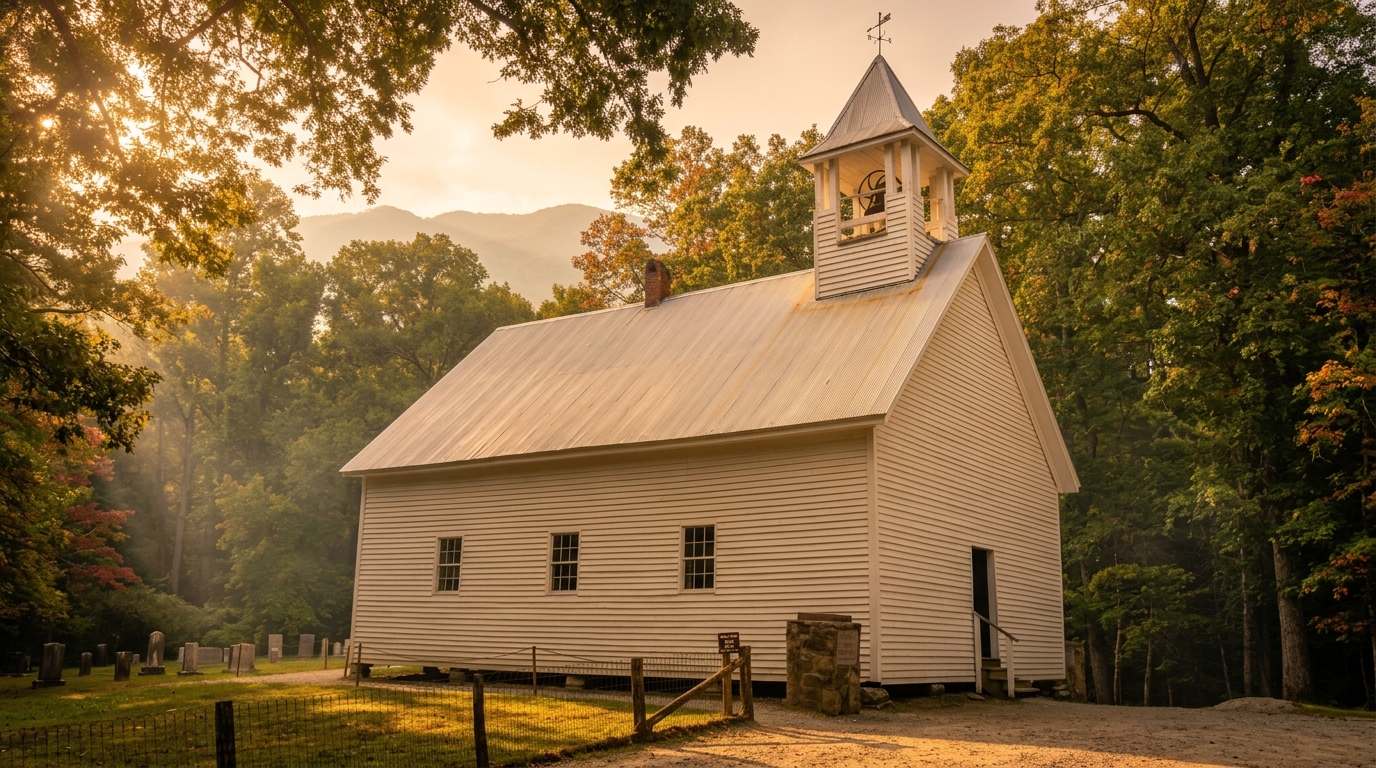
Cades Cove Primitive Baptist Church
Cades Cove · built 1887
The Primitive Baptist Church, organized in 1827 and rebuilt in 1887, is the oldest congregation in Cades Cove, set in a clearing with a graveyard of the cove's first families.
-
 6
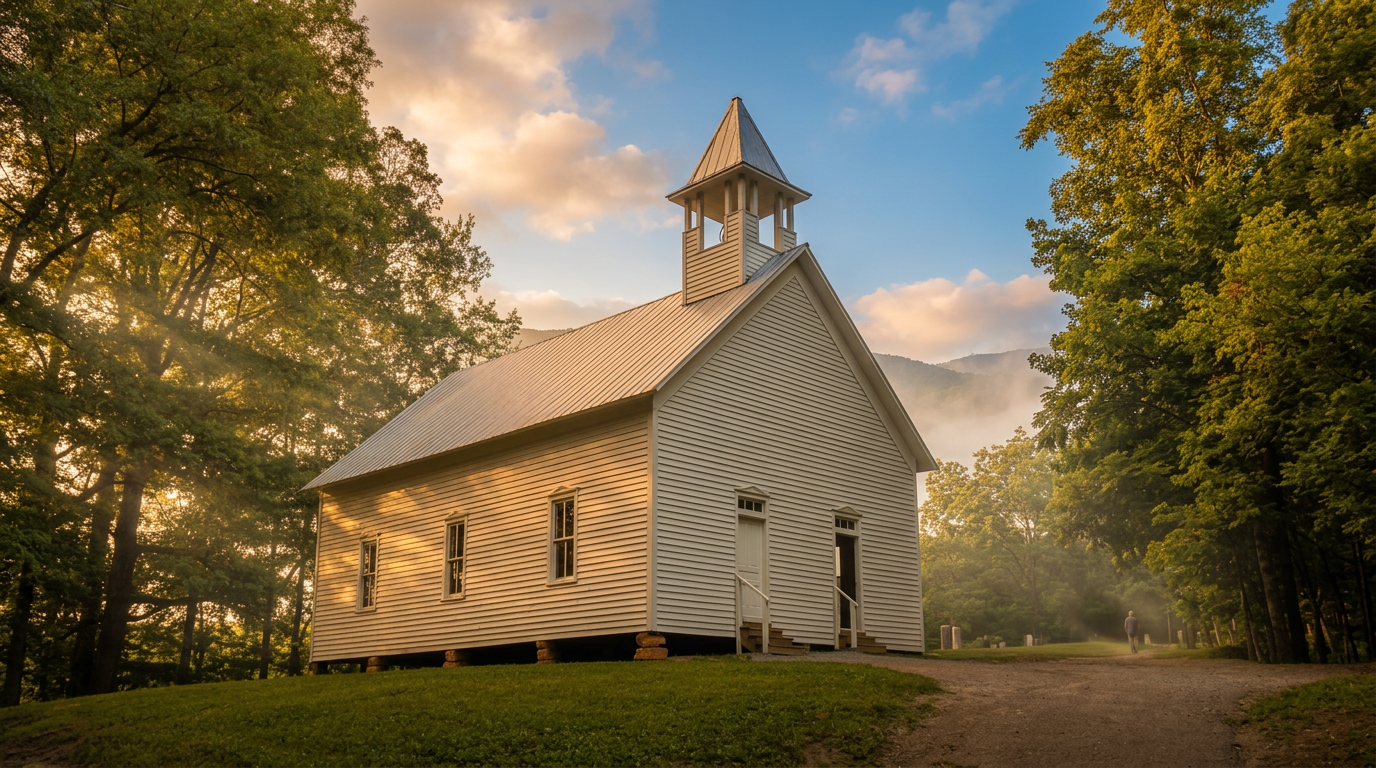
Cades Cove Methodist Church
Cades Cove · built 1902
The Cades Cove Methodist Church, a small white frame building from 1902 with a cemetery beside it, is the loop's most familiar-looking church and a short walk from the pull-off.
-
 7
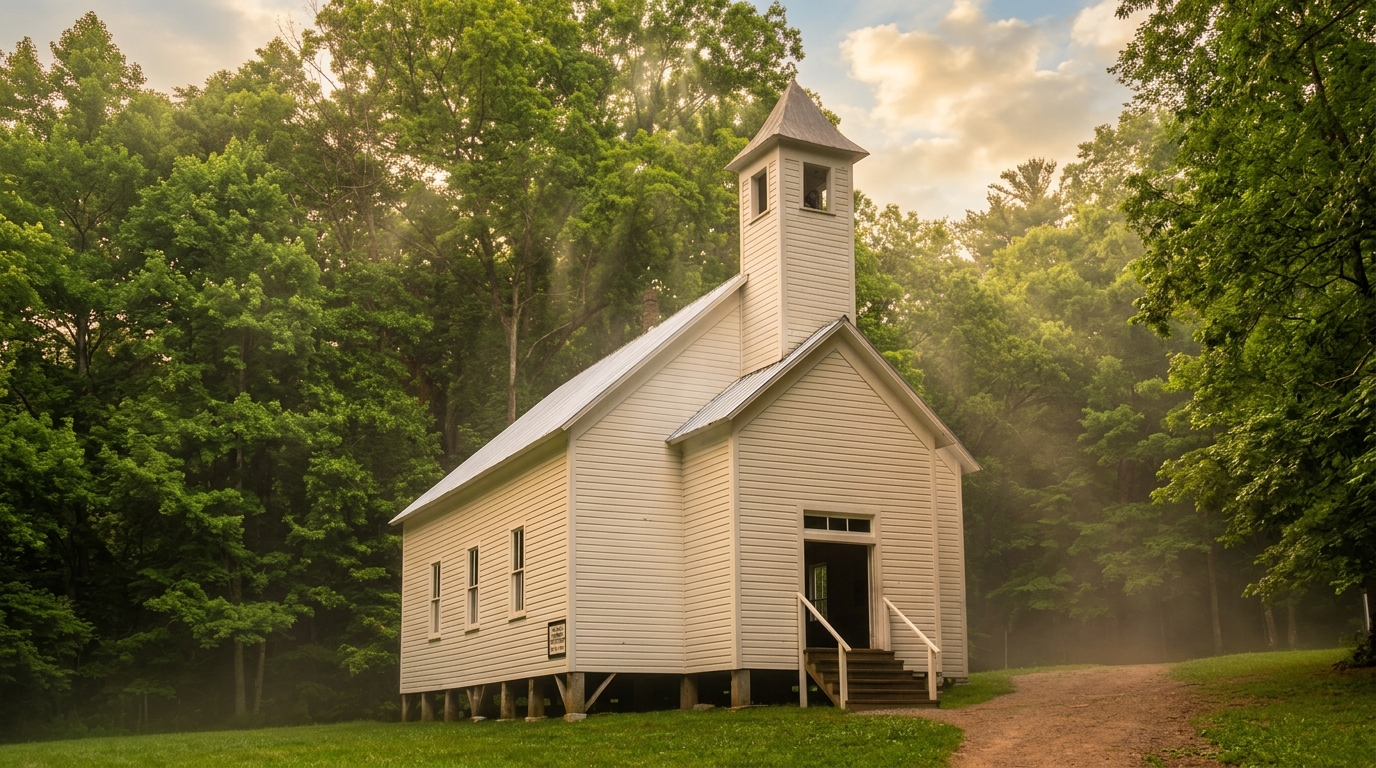
Cades Cove Missionary Baptist Church
Cades Cove · built 1915
The Cades Cove Missionary Baptist Church is a white frame building from 1915 with a congregation that split from the Primitive Baptists, and it is a short walk from the loop road.
-
 8
Cable Mill
Cades Cove
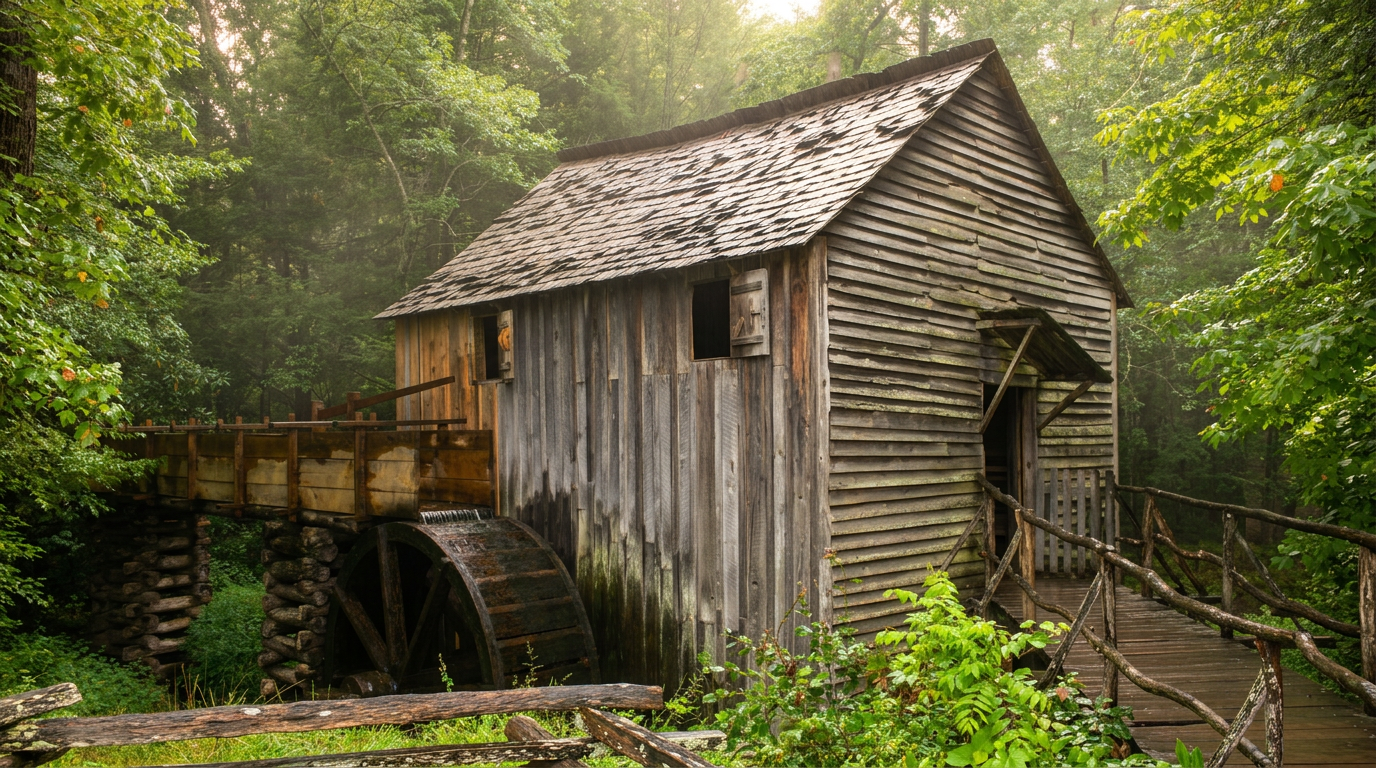
Cable Mill in Cades Cove is a water-powered gristmill built by John P. Cable, the loop's one stop with a visitor center, restrooms and a cluster of outbuildings, open daily through November 29.
-
 9
Carter Shields Cabin
Cades Cove
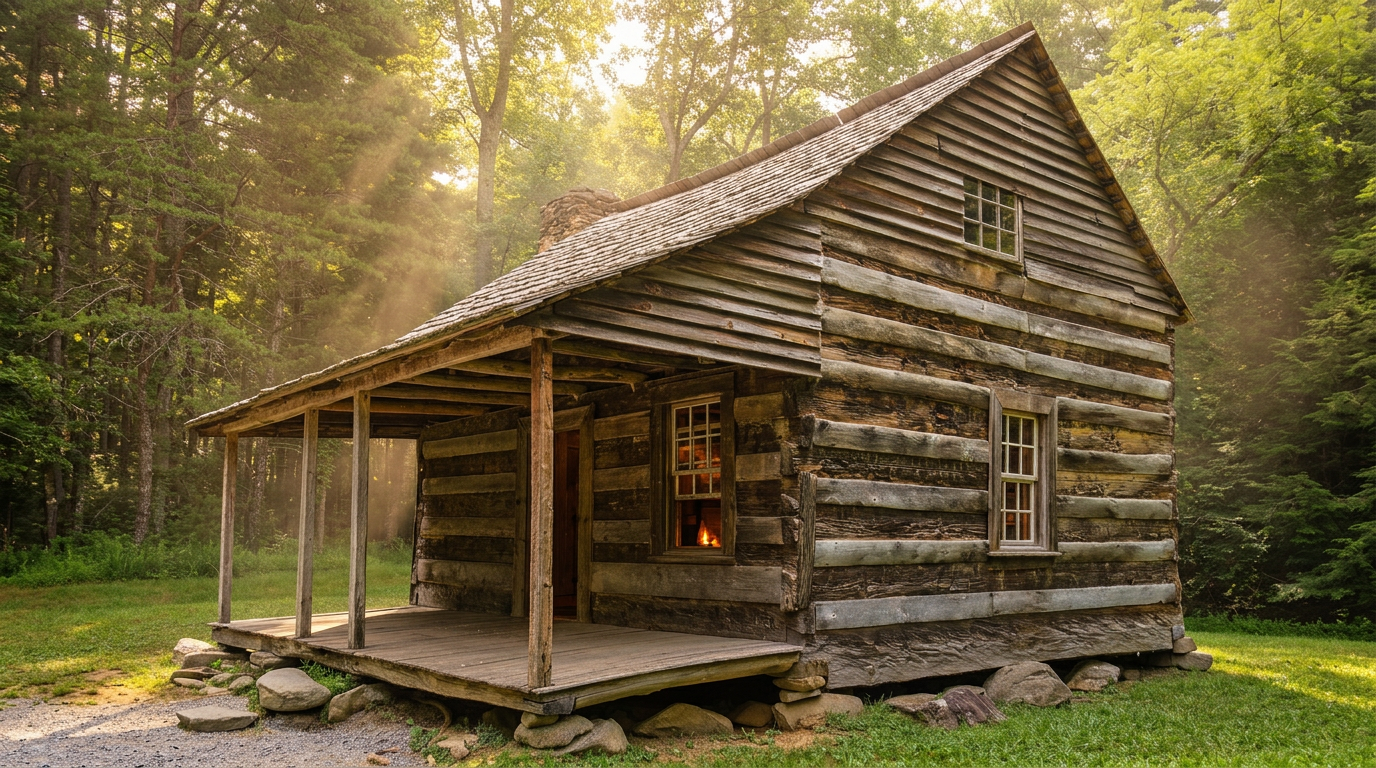
The Carter Shields Cabin, the last historic building on the Cades Cove Loop, is the small log home of a Civil War veteran and a good look at the modest end of cove life.
-
 10
Gregg-Cable House
Cades Cove
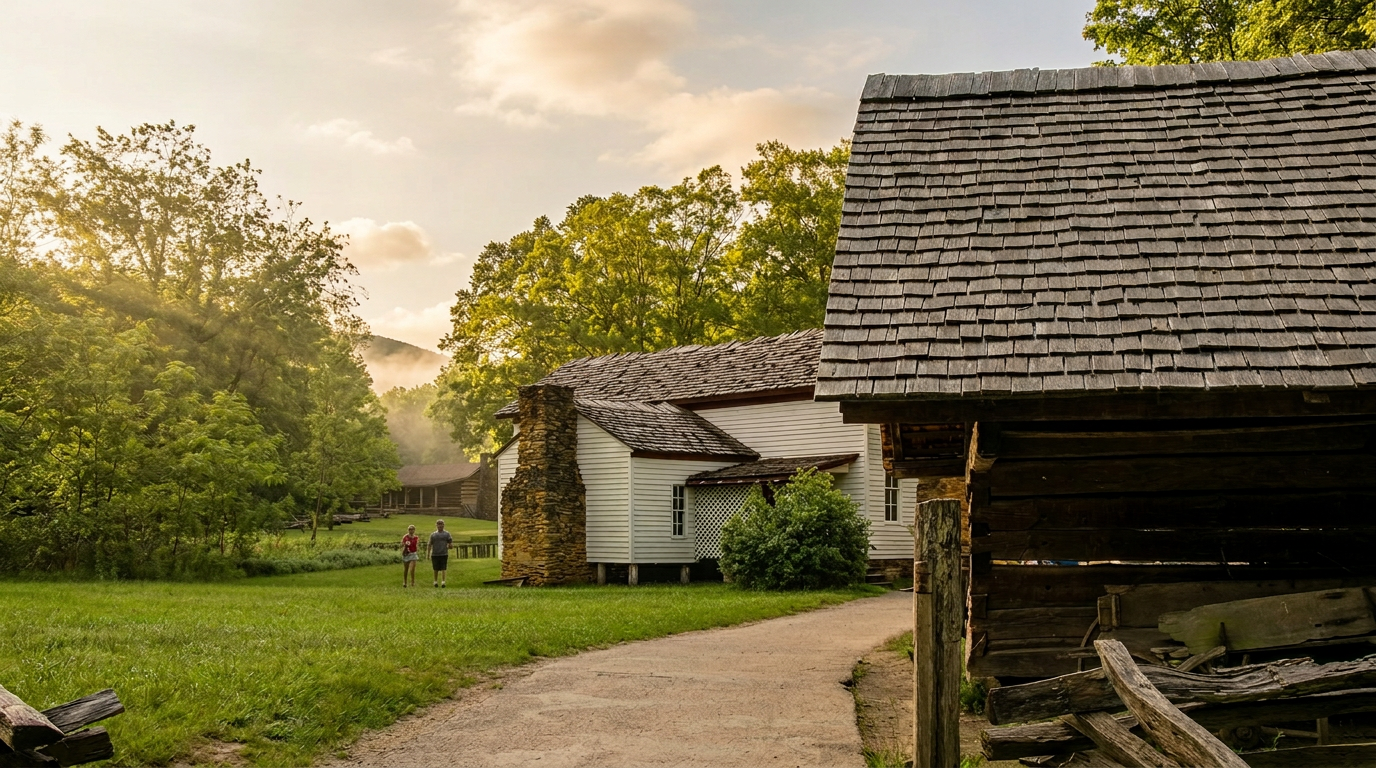
The Gregg-Cable House stands in the Cable Mill area of Cades Cove, where several farm buildings gather around the mill, and it is worth a short walk from the lot.
- 11
Henry Whitehead Place
Cades Cove
The Henry Whitehead Place on the south side of the Cades Cove Loop is a log cabin with a corn crib and barn, a quieter stop between Cable Mill and the Lawson place that many drivers pass.
-
 12
Tipton Place
Cades Cove
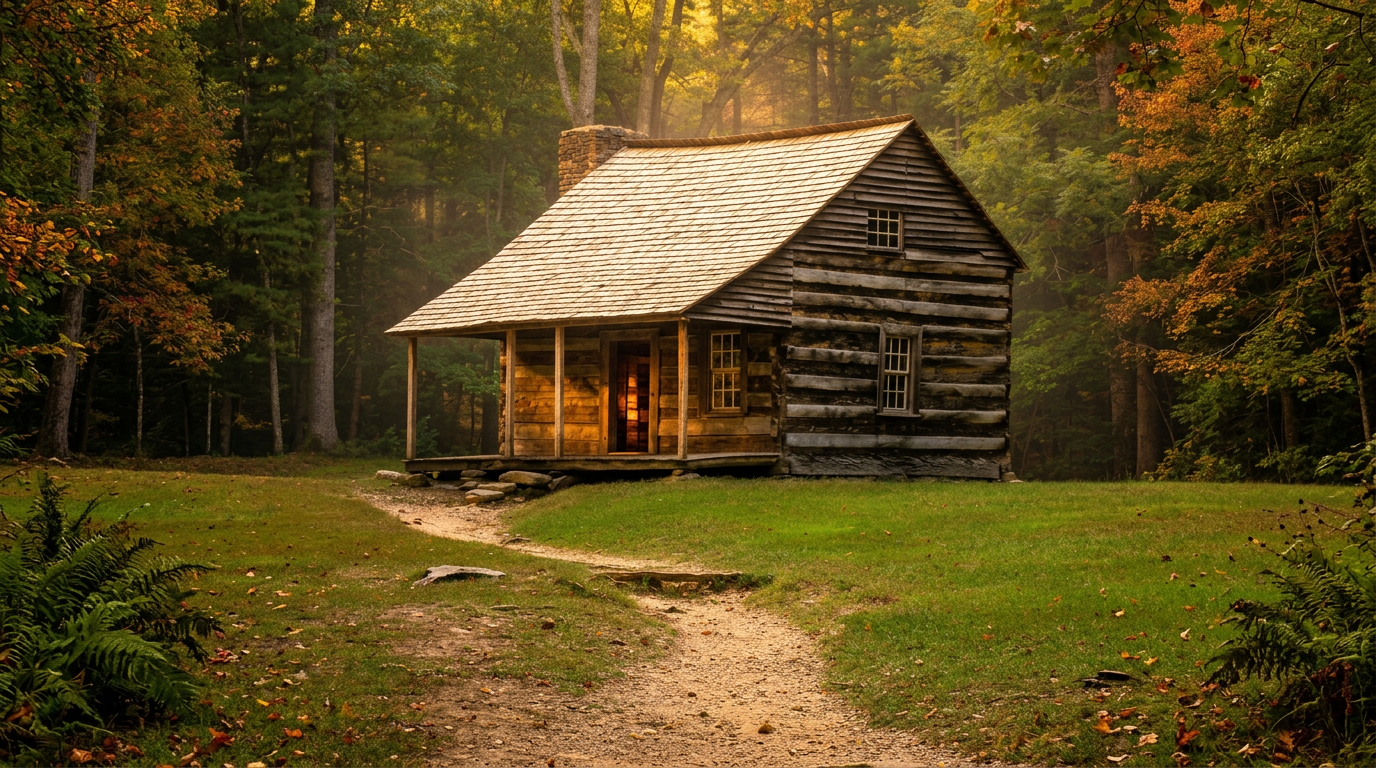
The Tipton Place in Cades Cove is one of the most complete farmsteads on the loop, with log houses, a cantilever barn, a blacksmith shop, a corn crib and a smokehouse you can walk among.
Good to know
Historic Sites in Cades Cove: FAQ
Does visiting Cades Cove require a reservation?
How long should I budget to see all 12 historic sites?
Is Cable Mill still a working grist mill?
Are the Cades Cove historic structures included with park admission?
Can I visit Cades Cove without a car?
Where to stay
Near Cades Cove
Pick your spots, then lock in where you'll sleep. Compare live cabin, hotel, and rental prices nearby across Booking.com, Vrbo, and Expedia.
Map powered by Stay22, with live prices from booking sites. If you book through it, Mountain Insider may earn a commission at no extra cost to you. How we make money.
Keep exploring